Batch Plant Management: The Foundation of a Profitable Operation
Batch plant management is the backbone of every asphalt and concrete operation. Whether you run a single portable plant or manage a network of permanent facilities, the way you coordinate production, maintenance, and scheduling directly impacts your bottom line. In this guide, we cover the essential principles of running an efficient batch plant in today’s competitive construction materials industry.
What Is Batch Plant Management?
Batch plant management encompasses all the activities involved in operating a plant that produces asphalt or concrete in measured batches. This includes raw material procurement, equipment maintenance, production scheduling, quality control, environmental compliance, and workforce coordination. Effective batch plant management ensures that the right mix is produced at the right time, with minimal waste and maximum throughput.
For asphalt plants specifically, batch plant management also involves coordinating with paving crews, hauling logistics, and project timelines. A well-managed plant can produce hundreds of tons per hour, but only if every part of the operation is synchronized.
Key Components of Efficient Plant Operations
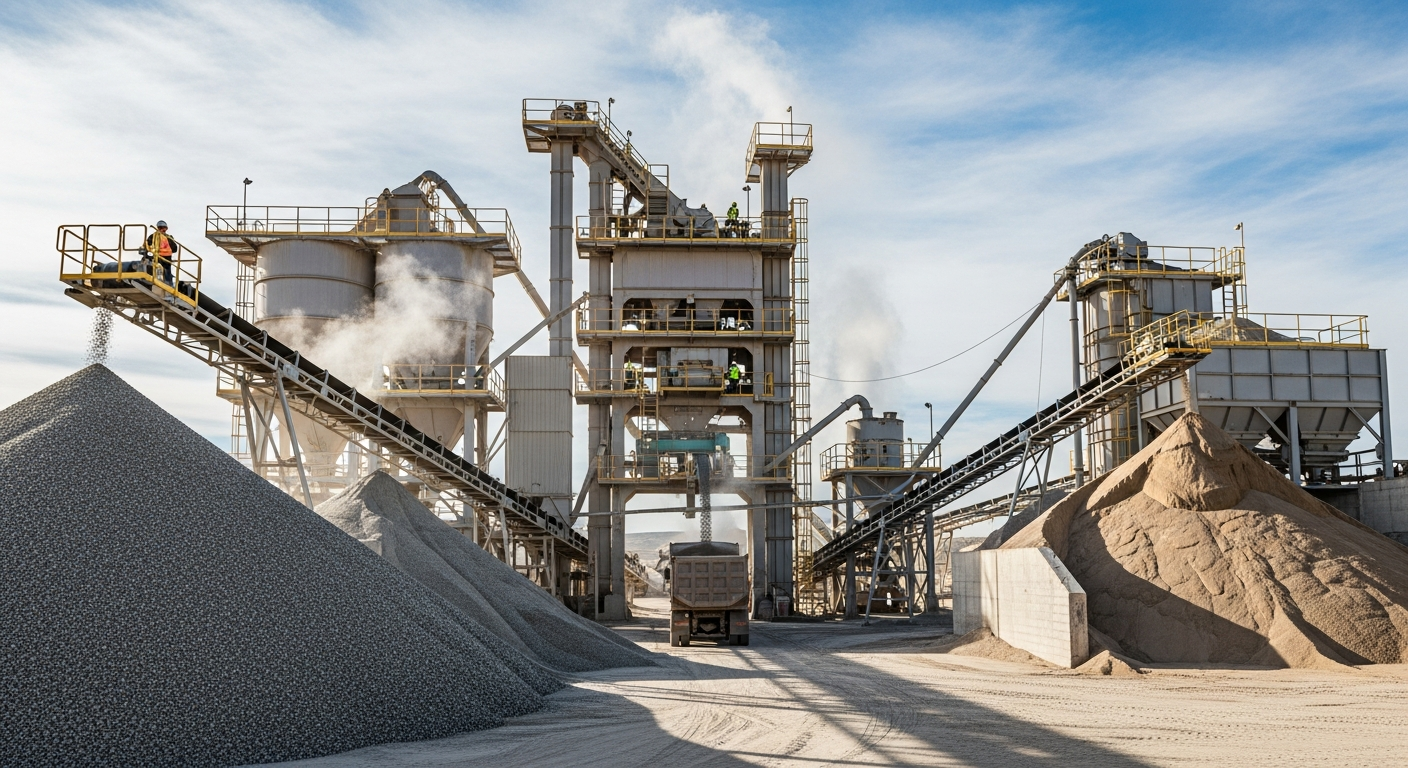
1. Production Scheduling
Scheduling is arguably the most critical aspect of batch plant management. Without a clear production schedule, plants risk producing mix that sits too long, missing delivery windows, or leaving crews idle. Modern plant managers are moving away from whiteboards and spreadsheets toward dedicated scheduling software that provides real-time visibility into daily production plans.
A good production schedule accounts for mix design requirements, truck cycle times, crew availability, weather conditions, and customer priorities. When multiple projects compete for plant time, scheduling becomes even more important.
2. Equipment Maintenance
Unplanned downtime is the enemy of batch plant efficiency. A proactive maintenance program should include daily inspections, scheduled preventive maintenance, and a system for tracking equipment condition over time. Key components that require regular attention include burners, drum flights, baghouses, conveyor belts, weigh systems, and mixing equipment.
Many plant managers find it helpful to maintain a maintenance log and schedule routine tasks during planned downtime rather than waiting for equipment failures.
3. Inventory and Material Management
Raw material availability directly affects production capacity. Running out of aggregate, RAP, liquid asphalt, or additives during a production run creates costly delays. Effective inventory management means tracking stockpile levels, coordinating deliveries with suppliers, and maintaining buffer stocks for high-demand periods.
For more on tracking raw materials, see our guide on plant scheduling best practices, which covers how to align material deliveries with production demand.
4. Quality Control
Every batch must meet specification requirements. Quality control in batch plant management involves regular testing of raw materials, monitoring production temperatures, verifying mix proportions, and maintaining calibration of weigh systems. Many state DOTs require detailed QC documentation, so having a systematic approach to quality saves time during audits.
5. Environmental Compliance
Asphalt and concrete plants must comply with air quality permits, dust control requirements, stormwater management plans, and noise regulations. Staying on top of compliance is not just about avoiding fines — it also protects your operating permits and community relationships.
Common Challenges in Batch Plant Management
Even experienced plant managers face recurring challenges:
- Weather disruptions — Rain, cold, and wind can shut down production with little warning, requiring rapid schedule adjustments.
- Coordination with paving crews — The plant and the paving crew must stay in sync to avoid cold mix or crew downtime.
- Trucking logistics — Haul distances, truck availability, and traffic patterns all affect how quickly mix reaches the job site.
- Multiple customer priorities — Balancing DOT jobs, commercial projects, and municipal work requires careful prioritization.
- Staffing — The construction industry continues to face skilled labor shortages, making it essential to use your workforce efficiently.
Best Practices for Modern Batch Plant Managers
The most efficient batch plant operations share several common traits:
- They plan ahead. Weekly and daily production schedules are prepared in advance and communicated to all stakeholders.
- They track data. Production tonnages, downtime events, fuel consumption, and material usage are recorded and analyzed.
- They invest in technology. From plant automation systems to scheduling platforms like PlantDemand, technology helps reduce errors and improve visibility.
- They maintain equipment proactively. Scheduled maintenance prevents costly breakdowns during peak season.
- They communicate. Clear communication between the plant, dispatch, paving crews, and customers keeps everyone aligned.
Getting Started with Better Plant Management
If you are looking to improve your batch plant operations, start with scheduling. A clear, accessible production schedule is the single biggest lever for improving efficiency. PlantDemand helps asphalt and concrete producers manage their daily schedules online, giving dispatchers, plant operators, and managers real-time visibility into what is being produced, when, and for whom.
Whether you are running a single plant or coordinating across multiple locations, investing in better batch plant management pays dividends through higher throughput, fewer delays, and stronger customer relationships. Try PlantDemand free to see how online scheduling can transform your plant operations.
Frequently Asked Questions
What is batch plant management?
Batch plant management is the coordination of all activities involved in operating an asphalt or concrete plant that produces material in measured batches, including production scheduling, equipment maintenance, raw material inventory, quality control, and environmental compliance.
What are the most important parts of running an efficient batch plant?
The five core areas are production scheduling, preventive equipment maintenance, raw material and inventory management, quality control of every batch, and ongoing environmental compliance. Plants that consistently address all five outperform those that focus on only one or two.
What is the easiest first step to improve batch plant operations?
Start with scheduling. A clear, shared production schedule is the single biggest lever for reducing downtime and missed deliveries. Many plants begin by moving from whiteboards or spreadsheets to a dedicated online scheduling platform such as PlantDemand.
This guide is part of the PlantDemand hub for asphalt plant operations, scheduling, and sales management.