Asphalt Plant Scheduling in 2026: The Current Landscape
Asphalt plant scheduling in 2026 looks different from even a few years ago. Rising material costs, labor shortages, tighter project timelines, and new technology have reshaped how producers plan and execute their daily operations. Whether you run a single plant or manage scheduling across a regional network, understanding the current landscape helps you stay competitive. This article examines what planning, software, and operations look like for asphalt producers today.
The State of Scheduling in the Industry
Despite advances in technology, a significant portion of asphalt plants still manage their daily schedules using whiteboards, phone calls, and spreadsheets. Industry surveys consistently show that the construction materials sector lags behind other industries in digital tool adoption. However, the trend is clearly moving toward digital scheduling, driven by several factors:
- Generational transition — As experienced dispatchers and plant managers retire, companies are looking for ways to systematize scheduling knowledge that previously existed only in one person’s head.
- Multi-location management — Companies that have grown through acquisition often need a unified view of scheduling across multiple plants, which paper systems cannot provide.
- Customer demands — General contractors and DOTs increasingly expect faster communication and more reliable delivery commitments.
- Data requirements — Companies want to analyze production data to improve efficiency, but data analysis requires consistent digital records.
What Modern Asphalt Plant Scheduling Looks Like
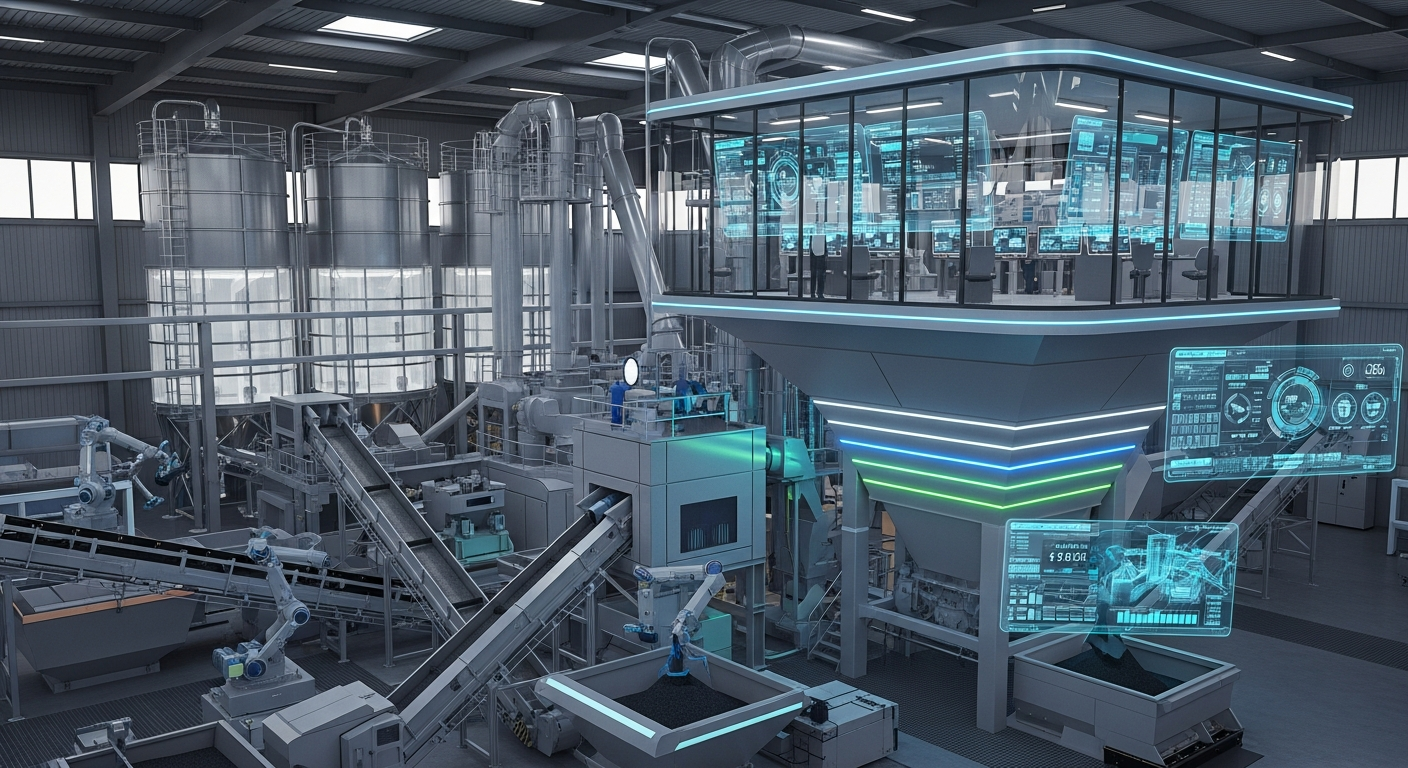
Cloud-Based Scheduling Platforms
The most significant shift in asphalt plant scheduling has been the move to cloud-based platforms. Tools like PlantDemand allow dispatchers to create and manage production schedules online, where they are accessible to plant operators, paving crews, trucking companies, and management from any device.
Cloud-based scheduling eliminates the single point of failure inherent in whiteboard-based systems. When the schedule lives online, it is backed up automatically, accessible from anywhere, and can be updated in real time as conditions change.
Real-Time Schedule Visibility
One of the biggest operational improvements in 2026 is real-time schedule visibility across the organization. Instead of calling the dispatch office to ask what is running today, field crews and project managers can check the schedule on their phones. This reduces the volume of phone calls, eliminates miscommunication, and helps everyone plan their day more effectively.
Integration with Plant Controls and Ticketing
Forward-looking producers are connecting their scheduling software with plant control systems and ticketing. This integration allows actual production data to flow back into the schedule, providing automatic updates on what has been produced versus what was planned. While full integration is still emerging, the direction is clear: scheduling will become increasingly connected to other operational systems.
Key Challenges in 2026
Labor Shortages
The skilled labor shortage continues to affect asphalt operations. Finding experienced plant operators, dispatchers, and paving crew members remains difficult. This makes efficient scheduling even more important — when labor is scarce, you cannot afford to waste crew time due to scheduling errors or poor coordination.
Material Cost Volatility
Liquid asphalt prices remain volatile, influenced by crude oil markets and refinery output. Aggregate availability varies by region, and transportation costs have increased. Better scheduling helps producers optimize production runs, reduce waste, and minimize the need for costly short-notice material orders.
Weather Uncertainty
Weather remains the single biggest variable in asphalt plant scheduling. The ability to quickly reschedule when rain, cold, or wind disrupts production is critical. Digital scheduling tools make rescheduling faster and ensure that all stakeholders are notified immediately when plans change.
Regulatory Compliance
Environmental regulations continue to evolve, with increasing emphasis on emissions monitoring, dust control, and sustainability reporting. Some states now require detailed production records tied to emissions data, which is easier to manage with digital systems.
What Leading Producers Are Doing Differently
The producers who are pulling ahead in 2026 share several characteristics:
- They have centralized their scheduling. Instead of each plant managing its own whiteboard, scheduling is coordinated across locations using a shared platform.
- They use data to improve. By reviewing historical scheduling data, they identify patterns in production efficiency, crew performance, and customer demand that inform future planning.
- They communicate proactively. Schedule changes are communicated automatically through digital platforms rather than through chains of phone calls.
- They plan further ahead. Rather than scheduling day-by-day, they maintain weekly rolling schedules that give the entire organization better visibility.
The Role of Software in Plant Scheduling
Not all scheduling software is created equal. Generic project management tools lack understanding of asphalt-specific concepts like mix designs, tonnage targets, truck cycle times, and seasonal capacity. Industry-specific platforms like PlantDemand are built around these concepts, which means they fit naturally into existing workflows.
When evaluating scheduling software, focus on these priorities:
- Does it match your current scheduling workflow?
- Can your team adopt it quickly?
- Does it provide mobile access for field personnel?
- Does it maintain a history of past schedules?
- Is it backed by a team that understands the asphalt industry?
Looking Ahead
Asphalt plant scheduling will continue to evolve. The integration of AI-driven features, predictive weather-based planning, and deeper connections with plant automation systems are all on the horizon. Producers who establish digital scheduling foundations now will be best positioned to take advantage of these advances.
If you are ready to modernize your plant scheduling, PlantDemand is built for asphalt and concrete producers who want a straightforward, effective scheduling solution. Start a free trial and see how your operation compares to the 2026 standard.
Frequently Asked Questions
What does asphalt plant scheduling look like in 2026?
Modern asphalt plant scheduling in 2026 is online, shared in real time across plant operators, dispatchers, sales, and management, and increasingly connected to AI-driven query tools through standards such as the Model Context Protocol.
What are the biggest scheduling challenges asphalt producers face today?
Skilled labor shortages, weather volatility, supply chain pressure on liquid asphalt and aggregate, balancing DOT and commercial work, and integrating data across plants, dispatch, and finance systems remain the most common challenges.
How does software help with asphalt plant scheduling?
Scheduling software replaces whiteboards and isolated spreadsheets with a shared online plan that updates in real time. It reduces miscommunication, makes capacity visible, supports forecasting, and provides the structured data that AI tools and the PlantDemand MCP can query.
This guide is part of the see how PlantDemand fits hub for asphalt plant operations, scheduling, and sales management.